If you are looking for a small multifamily investment in North Huntingdon, you are not shopping in a market flooded with duplexes and triplexes. That can feel challenging, but it can also create opportunity if you know what to look for. In this guide, you will see where small multifamily deals tend to show up, what local zoning suggests, and how to evaluate real opportunities in Huntingdon Heights and the broader North Huntingdon area. Let’s dive in.
Why North Huntingdon Stands Out
North Huntingdon is a largely owner-occupied suburban market, not a renter-heavy apartment market. Census data shows about 31,800 residents, 13,917 housing units, and a 90.1% owner-occupied rate. That matters because small multifamily inventory tends to be tighter in places where most homes are owner-occupied.
For investors, that means you may need to be more selective and more patient. It also means the right duplex, triplex, or four-unit property can attract attention because there simply are not many of them. In a market like this, finding the right building often matters more than waiting for broad market trends to do the work for you.
Small Multifamily Supply Is Limited
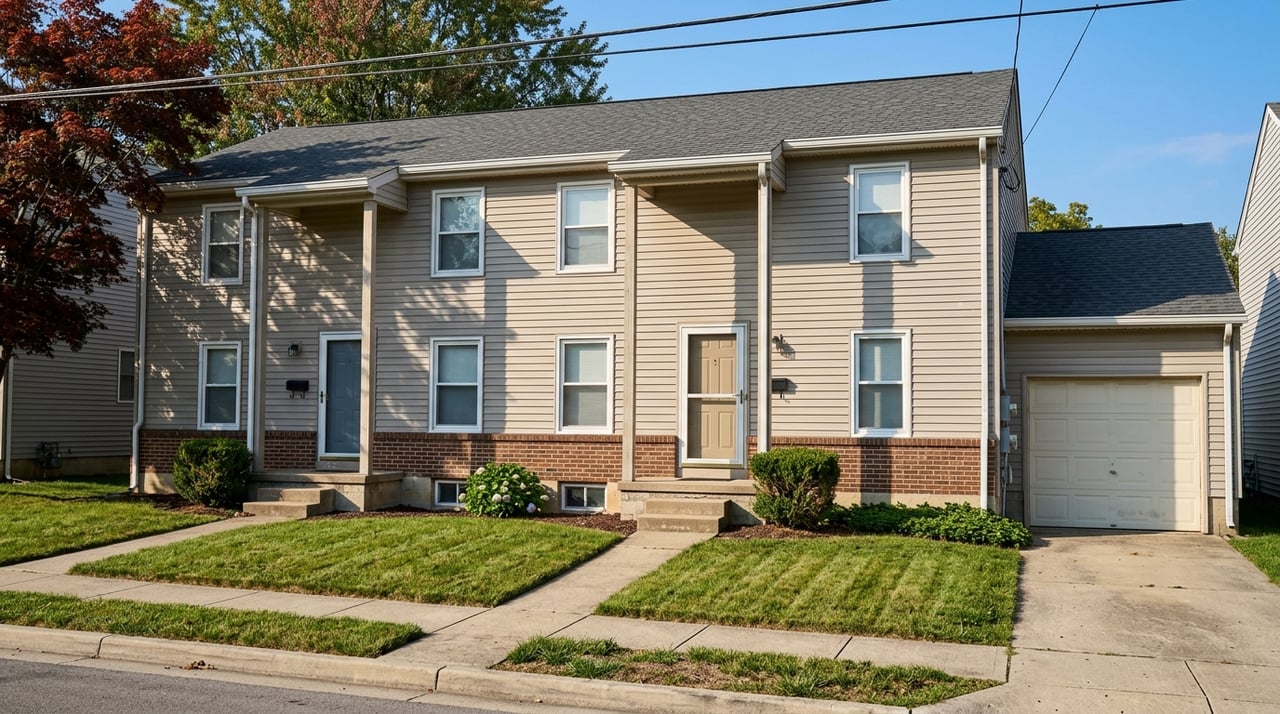
The local housing stock is heavily tilted toward detached homes. City-Data reports 10,146 detached units in North Huntingdon, compared with just 213 two-unit structures and 147 three- or four-unit structures. In plain terms, small multifamily is a very small slice of the market.
That limited supply helps explain why investors often need to look beyond polished, turnkey inventory. Many of the better opportunities may be older duplexes, converted properties, or buildings that need updates. If you are open to value-add work, this market may offer more possibilities than it first appears.
Older Housing Creates Value-Add Potential
North Huntingdon has an older housing base, which can be important for multifamily buyers. City-Data indicates about 66% of housing units were built before 1970, about 43% before 1960, and about 90% before 1980. Older properties can come with maintenance needs, but they can also create room for strategic improvements.
For you as an investor, that often means balancing upside with inspection and rehab risk. A property with older systems, dated interiors, or deferred maintenance may offer a better entry point, but only if the numbers still work after repairs. In this area, careful due diligence is essential.
Zoning Matters Before Anything Else
Before you get excited about unit count, layout, or projected rent, verify zoning. North Huntingdon’s ordinance defines a duplex as no more than two attached dwelling units on one zoning lot. It defines a multiple-family dwelling as a building with three or more dwelling units on one zoning lot in an appropriate district.
The township lists residential districts including R-1, R-1A, R-2, R-3, and R-4, along with commercial and industrial districts. For small multifamily buyers, the key point is that not every district supports the same type of use. Your deal analysis should start with the zoning district, not end there.
Where Duplexes May Fit
R-1 is intended for single-family and two-family development in older sections of the township. That makes duplexes one of the more straightforward small multifamily plays in the right older parts of North Huntingdon. If you are targeting a live-in investment or a simpler two-unit property, this can be a practical lane to watch.
This does not mean every property in an older area is automatically usable as a duplex. It means the district framework is more favorable to that type of housing. You still need to confirm legal use, lot conditions, and any property-specific restrictions.
Where Triplexes and Fourplexes May Fit
R-1A is the township’s multiple-family residence district. It is described as a low-density, low-rise transition zone between detached housing and higher-density uses, with a maximum density of 6 dwelling units per gross acre, a 7,500-square-foot minimum lot area, and a 2-story maximum height.
Triplexes and fourplexes are more likely to need the right district and closer review. The ordinance also states that multiple-dwelling units in C-1 and C-2 must comply with R-1A multiple-family standards. In practice, that means smaller multifamily beyond a duplex usually deserves extra zoning review before you build your numbers around it.
Where Small Multifamily May Not Fit
R-4 is intended for single-family homes only in areas with limited sewer and water access and other physical constraints. If a property sits in R-4, that should raise a clear flag for anyone hoping to create or expand small multifamily use. In a tight-inventory market, it is easy to focus on potential, but zoning still sets the ground rules.
Rent Data Can Be Misleading
One of the biggest mistakes investors make in small multifamily markets is relying on one rent headline. In North Huntingdon, the available rent data varies widely depending on the source and the type of housing being measured. Census QuickFacts shows a median gross rent of $1,062, while apartment-focused data and listing-platform summaries point to very different numbers.
That spread does not necessarily mean the data is wrong. It usually means apartment units, single-family rentals, duplex units, and larger multifamily spaces are being grouped differently. For your underwriting, township-wide averages are only a starting point.
Use Unit-Specific Rent Comps
A local duplex example shows how specific the numbers can be. Zillow shows 680 Main St, listed as one-half of a duplex, with 2 bedrooms and 1 bath, plus off-street parking, in-unit laundry, and some included utilities, with a rent estimate of $1,080 per month. That gives you one picture of what a smaller unit may support.
A different local example points to a higher ceiling for larger assets. Zillow lists 700 Bridge St as a multifamily or triplex property at $240,000, with 3 residential units, a 2-car garage, year built 1910, and potential for additional units according to the listing, along with a rent estimate of $1,586 per month. Whether or not a plan like that works for you depends on legal use, condition, and real lease history.
The lesson is simple: underwrite the property in front of you. Look at actual unit mix, utility setup, included services, parking, condition, and documented lease income. In North Huntingdon, broad averages are much less useful than true property-level comps.
The Best-Fit Tenant Base Is Likely Stable and Local
The local demographics suggest demand tied more to everyday household needs than to a fast-turnover rental scene. The township has a median age of 44.9, an average household size of 2.39, with 20.7% of residents under 18 and 21.3% age 65 or older. That points to a mature community with a mix of working households and downsizers.
Work and commute patterns support that picture. CensusReporter data shows 89% of workers drive alone, and the mean commute is 28.5 minutes. For small multifamily owners, that suggests rental demand may be more connected to stable employment and commuter convenience than to dense apartment-style living.
Financing May Favor Owner-Occupants
If you plan to live in one unit, a small multifamily purchase can become more accessible. The research shows FHA single-family programs are limited to one- to four-family properties that are owner-occupied principal residences. It also notes that for three- and four-unit properties, net rental income must be enough to cover the projected mortgage payment, and borrowers need 3 months of verified PITI reserves after closing.
Fannie Mae also allows rental income from a two- to four-unit principal residence when the borrower occupies one unit. For some buyers, that can make a live-in duplex, triplex, or fourplex a more realistic path than buying purely as a non-owner investor. The key is matching the property type and income strategy to the financing path you are actually using.
Three Smart Plays to Watch
For many buyers, the strongest opportunities in North Huntingdon fall into a few practical categories:
- Live-in duplex: You occupy one unit and offset costs with rent from the other.
- Older triplex or fourplex with documented rents: You focus on legal unit count, existing income, and manageable upgrades.
- Value-add property with verified zoning support: You target upside only after confirming the use is already allowed and the rehab scope is realistic.
These are not flashy strategies, but they fit the local market. In a suburb with limited small multifamily stock, practical execution often beats chasing a perfect deal that rarely appears.
What to Check Before You Make an Offer
In Huntingdon Heights and the wider North Huntingdon area, a small multifamily deal should be tested from several angles before you move forward. A careful review upfront can help you avoid surprises later.
Use this checklist as a starting point:
- Confirm the current zoning district.
- Verify the legal number of units.
- Review current leases and actual rent history.
- Check who pays utilities and which expenses are included.
- Evaluate age and condition of major systems.
- Estimate rehab scope with conservative numbers.
- Compare the property to true local unit-level comps.
- Review parking, access, and site layout.
Each of these items matters in an older, supply-constrained market. A property that looks attractive on price alone can become much less attractive if the unit count is unclear or the expense load is heavier than expected.
Why Local Guidance Matters
Small multifamily deals in North Huntingdon are rarely simple cookie-cutter purchases. You may be comparing an older duplex in an R-1 area, a triplex that needs zoning confirmation, or a property with strong potential but uneven records. The details can change the value quickly.
That is why local, practical guidance matters. You want someone who understands value-add housing, smaller suburban multifamily opportunities, and how to spot the difference between a workable deal and a costly distraction.
If you are weighing a duplex, triplex, or other small multifamily opportunity in Huntingdon Heights or nearby North Huntingdon, Vanessa Doss can help you evaluate local inventory, compare deal options, and move with confidence.
FAQs
What makes North Huntingdon different for small multifamily investing?
- North Huntingdon is a heavily owner-occupied suburban market with limited two- to four-unit inventory, so the best opportunities are often older duplexes, converted properties, or value-add rehabs.
What zoning should you check for duplexes in North Huntingdon?
- R-1 is the key district to review because it is intended for single-family and two-family development in older sections of the township.
What zoning should you check for triplexes and fourplexes in North Huntingdon?
- R-1A is the township’s multiple-family residence district, and triplexes or fourplexes are more likely to require the right district and closer zoning review.
What rent should you expect for a small multifamily property in North Huntingdon?
- There is no single reliable township-wide number, so you should use unit-specific comps, actual lease history, included utilities, and property condition instead of relying on one average.
Is a live-in multifamily property a practical option in North Huntingdon?
- Yes, for many buyers a live-in duplex or other owner-occupied two- to four-unit property may be one of the more practical ways to enter the small multifamily market here.
What should you verify before buying a small multifamily property in Huntingdon Heights?
- Start with zoning, legal unit count, leases, utility responsibilities, repair needs, and realistic local rent comps before making an offer.