Thinking about selling an older home in Forest Hills and wondering whether to market it to everyday buyers, investors, or both? You are not alone. In a borough with a large share of older homes, the right strategy is usually not about pretending your property is brand new. It is about showing its strengths, being honest about condition, and pricing it in a way that makes sense. Let’s dive in.
Why older homes stand out in Forest Hills
Forest Hills has an older housing stock, which shapes how buyers look at listings. About 37.8% of homes were built before 1940, and another 12.3% were built between 1940 and 1969. That means roughly half of the borough’s homes predate 1970.
That matters because older homes are normal here, not unusual. Buyers often expect original layouts, mature lots, older mechanical systems, and a mix of updated and not-yet-updated features. For sellers, that creates an opportunity to position your home around solid bones, usable space, and clear upside.
Forest Hills is also mostly made up of single-family detached homes, which account for 73.5% of the housing stock. Combined with a 73.7% owner-occupancy rate, that supports demand from both owner-occupants and value-add buyers. In other words, your likely buyer pool may include someone looking for a place to live now, someone willing to improve it over time, or an investor looking for a workable project.
What investor appeal really means
Investor appeal does not mean your home has to be distressed. It means a buyer can see a realistic path to improvement, added value, or easier resale.
In Forest Hills, that often comes down to practical features. Things like a functional layout, good square footage, dry basement space, off-street parking, a usable yard, or a house that needs cosmetic work more than major reconstruction can all be attractive. If your home has those traits, they are worth highlighting.
At the same time, investor appeal should not push out retail buyers. A home can attract both audiences when it is presented honestly. A first-time or budget-conscious buyer may also see value in a house with character, sound structure, and room to build equity over time.
Price for the market you have
One of the biggest mistakes sellers make is pricing from emotion or from a best-case renovation fantasy. In Forest Hills, recent numbers cluster in the low-to-mid $200,000s, but the exact picture varies by source and time frame. Reported figures include a median owner-occupied value of $182,200, a median listing price of $203,450, a median sold price of $196,500 as of April 2026, an average home value of $201,852, and a three-month median sale price of $270,788 with about 40 days on market through May 2026.
Those numbers tell you one important thing: broad estimates are not enough. Your price should reflect recent comparable sales, location within the borough, lot characteristics, and condition. It should also reflect what still needs repair or updating, not what the home might be worth after a full renovation.
A realistic price can do more than attract offers. It can widen your buyer pool and reduce the risk of sitting on the market while buyers wonder what is wrong. In a market described as balanced by one source and somewhat competitive by another, smart pricing gives you the best shot at strong interest.
Focus on updates that matter most
If you are selling an older home, you do not always need a major remodel before listing. In fact, over-improving can be a poor fit for this price range.
The stronger strategy is usually simple: clean it up, repair what buyers will notice, and improve first impressions. The 2025 Remodeling Impact Report found that 46% of buyers are less willing to compromise on a home’s condition. The same report showed that agents most often recommend painting the entire home, painting one room, and replacing roofing before listing.
For many Forest Hills sellers, the best pre-listing work includes:
- Fresh interior paint
- A cleaned-up front entry
- Roof and gutter repairs
- Trim repair
- Exterior touch-up paint where needed
- Flooring improvements if surfaces are heavily worn
- Limited kitchen or bath refreshes when those rooms feel clearly dated
The same report also found strong cost recovery for visible exterior improvements, including a new steel front door at 100%, plus projects like garage-door work, siding, exterior paint, flooring, and selective kitchen or bath updates. That supports a practical approach: improve what buyers see first and what signals good maintenance.
Show the upside without overselling it
Older homes often attract attention because buyers can picture what comes next. Your job is to make that potential easy to understand.
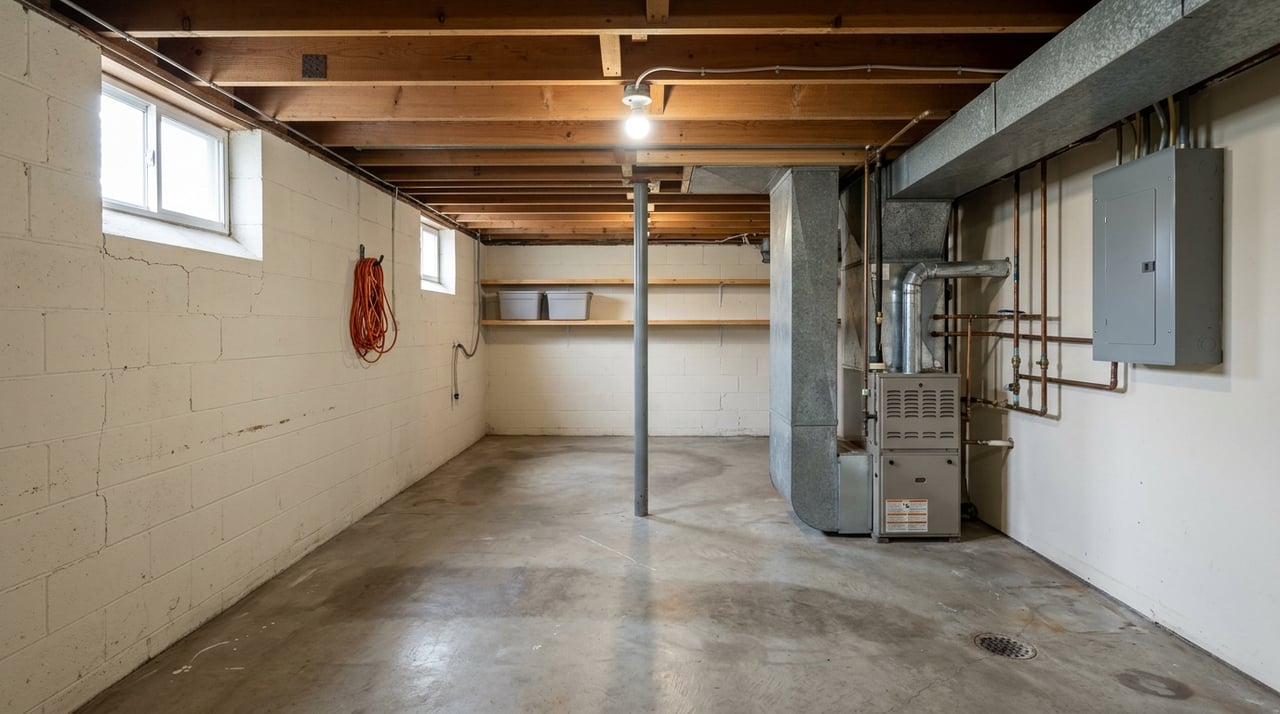
That might mean pointing out an unfinished but usable basement, a bonus room, an enclosed porch, or a dated kitchen with enough footprint for a future refresh. If the space is dry, functional, and easy to access, it may register as opportunity rather than problem.
Still, avoid framing every older feature as a hidden gem if it clearly needs work. Buyers respond better to honest presentation. A house that is well-maintained, clean, and accurately described often performs better than one that is dressed up with unrealistic promises.
Pay close attention to drainage and moisture
In Forest Hills, drainage deserves special attention. The borough’s comprehensive plan points to a mature tree canopy and ongoing stormwater and sewer overflow concerns. In practical terms, that means buyers may pay close attention to gutters, downspouts, grading, and basement moisture.
If you own an older home, this is one of the smartest areas to review before listing. Clean gutters, extend downspouts where appropriate, check whether water moves away from the house, and address obvious moisture issues if you can. Even small steps can improve buyer confidence.
This is not just about marketing. It is also about disclosure. If you know about recurring water intrusion, drainage problems, or basement seepage, those issues may need to be disclosed under Pennsylvania law.
Understand Pennsylvania disclosure rules
When you sell a residential property in Pennsylvania, you are generally required to provide a signed seller disclosure before the agreement of sale. The law requires sellers to disclose known material defects.
The state disclosure form asks about major areas such as:
- Roofs
- Basements and crawl spaces
- Structural issues
- Additions and remodeling
- Water and sewage systems
- Plumbing
- Heating and air conditioning
- Electrical systems
- Soils, drainage, and boundaries
- Hazardous substances
- Title or HOA matters
You are not required to investigate unknown issues, but you cannot knowingly make false or misleading statements or leave out a known defect. For older homes, that makes accurate records and honest communication especially important.
Lead-based paint can affect older-home sales
If your home was built before 1978, federal lead-based paint rules may apply. Sellers and agents must disclose known lead-based paint hazards, provide any available records, include the required warning language, and give buyers a 10-day opportunity to inspect for lead-based paint hazards.
This matters in Forest Hills because so many homes were built long before 1978. If you are doing paint prep or cosmetic work before listing, lead-safe practices may also matter because renovation in older homes can create lead dust.
This does not mean you should avoid preparing the home. It means you should handle prep thoughtfully and make sure the required lead-related steps are completed during the sale process.
Market to both retail buyers and investors
The best older-home listings in Forest Hills often speak to more than one audience. A retail buyer may want charm, livability, and a manageable payment. An investor may want clean numbers, visible upside, and a straightforward closing.
You do not need two different houses to reach both groups. You need a clear message. Show what is already functional, point out where improvements could add value, and make sure the condition is easy to understand from the start.
This is where smart listing strategy matters. Strong photos, accurate remarks, and a price that reflects condition can help your home connect with buyers who are actually active in this part of the market.
Selling strategy for an older Forest Hills home
If you want to keep your sale focused and practical, start here:
Review condition honestly
Make a list of known issues, cosmetic flaws, and strong features.Handle visible repairs first
Focus on paint, entry appeal, trim, roof concerns, gutters, and worn flooring.Check moisture and drainage
Pay close attention to basement conditions, grading, and water management.Gather records and disclosures
Organize what you know about repairs, updates, and any material defects.Price from comps, not guesswork
Base value on recent comparable sales and realistic condition adjustments.Market the home’s upside clearly
Highlight usable space, layout, lot utility, and improvement potential without overselling.
Selling an older home does not mean hiding its age. In Forest Hills, age is part of the market. What matters most is whether your home feels well-positioned, honestly presented, and fairly priced for today’s buyers.
If you are getting ready to sell and want practical guidance on pricing, prep, and how to attract both owner-occupants and investor buyers, schedule a free market consultation with Vanessa Doss.
FAQs
How should you price an older home in Forest Hills?
- You should price it using recent comparable sales, location, and condition adjustments rather than a hoped-for renovated value or a single online estimate.
What updates help sell an older Forest Hills home?
- The most useful updates are usually visible, practical ones like fresh paint, entry cleanup, roof and gutter repairs, trim fixes, flooring improvements, and limited kitchen or bath refreshes when needed.
Do older homes in Forest Hills appeal to investors?
- Yes, many can appeal to investors if they offer solid structure, usable space, and a clear path to cosmetic or functional improvements.
What must Pennsylvania home sellers disclose?
- Pennsylvania sellers must disclose known material defects before the agreement of sale, including issues involving roofs, basements, structure, plumbing, electrical, drainage, and other major systems or conditions listed on the state form.
Does lead-based paint matter when selling an older Forest Hills home?
- Yes, if the home was built before 1978, lead-based paint disclosure rules may apply and buyers must generally be given the required information and a 10-day opportunity to inspect for lead hazards.
Why do drainage issues matter in a Forest Hills home sale?
- Drainage matters because local stormwater concerns and older housing conditions can make gutters, grading, and basement moisture important to both buyer confidence and seller disclosure obligations.