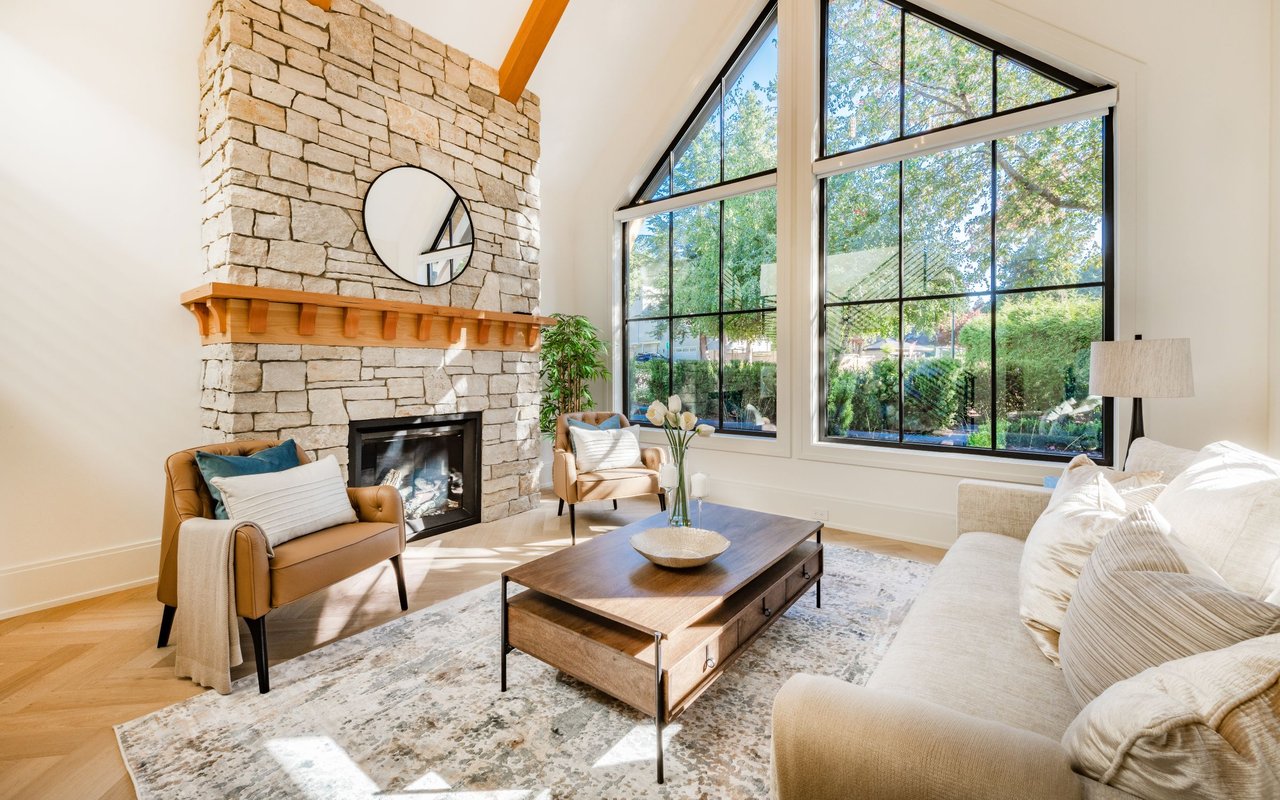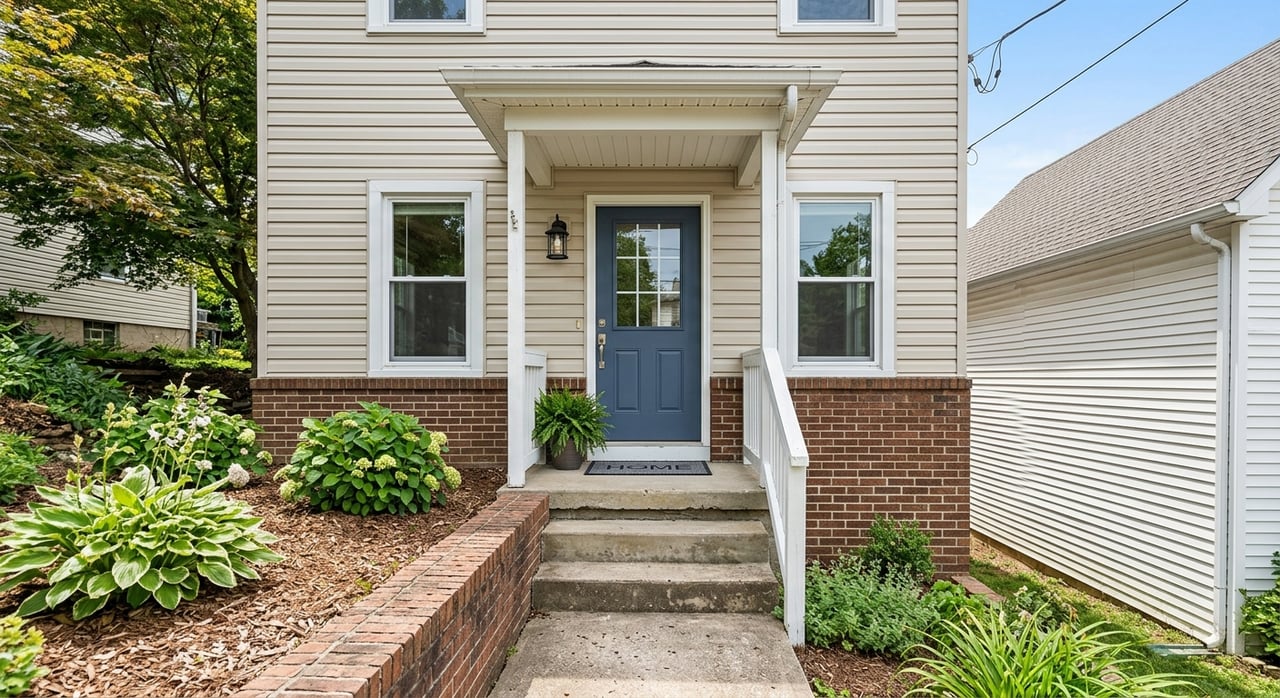
If the idea of selling your home feels overwhelming, you are not alone. Between repairs, cleaning, pricing, photos, and showings, it can be hard to know what actually matters and what just adds stress. The good news is that a smoother sale usually comes from a simple plan, smart prep, and realistic expectations in the local market. Let’s dive in.
Understand the Murrysville market
Before you start fixing every little thing, it helps to understand what kind of market you are selling into. In Murrysville, recent data points to a market where buyers still have options, which means your home needs to be priced and presented carefully.
According to Redfin’s Murrysville housing market data, the median sale price was $450,000 in February 2026, with median days on market at 149. Realtor.com’s local housing market snapshot reported a January 2026 median list price of $404,500, a 96% sale-to-list ratio, and 63 median days on market, while Redfin described the market as somewhat competitive and Realtor.com called it balanced.
The exact numbers vary by source and timeframe, but the takeaway is consistent. You should not assume a fast bidding war. In Murrysville, thoughtful pricing, clean presentation, and solid prep can make a real difference in how smoothly your sale goes.
Start with a simple selling plan
A low-stress sale usually starts by working backward from your ideal listing date. That gives you time to handle repairs, disclosures, cleaning, and photography in the right order instead of scrambling at the last minute.
A practical prep sequence often looks like this:
- Set your target listing month.
- Walk through the home and note visible issues.
- Decide whether a pre-list inspection makes sense.
- Complete repairs or gather estimates.
- Declutter and deep clean.
- Stage key spaces.
- Schedule listing photos.
- Keep the home showing-ready.
This kind of step-by-step approach can help you stay focused on what buyers will notice most.
Know your Pennsylvania disclosure duties
If you want less stress later, be honest and organized from the start. Under Pennsylvania’s Real Estate Seller Disclosure Law, sellers of most residential properties must disclose known material defects before signing the transfer agreement.
The disclosure form covers major areas like the roof, basement or crawl space, structural issues, plumbing, HVAC, electrical systems, water and sewage, termites or wood-destroying insects, additions or remodeling, hazardous substances, HOA matters, legal or title issues, and storm-water facilities. The law also says sellers cannot make false, deceptive, or misleading statements or leave out a known material defect.
If you learn something new before closing, your disclosure may need to be updated. That is one reason it helps to gather records, invoices, and service history early, especially for systems and appliances that will stay with the home.
Decide if a pre-list inspection is worth it
A pre-sale inspection is optional, not required. Still, NAR’s consumer guide on preparing to sell notes that it can help you spot issues before buyers do.
For some Murrysville sellers, a pre-list inspection can reduce surprises during negotiations. It may give you time to make repairs on your schedule, get estimates for larger items, and think through pricing and disclosure with clearer information.
That does not mean every seller needs one. If your home has been well maintained and you already have a good sense of its condition, you may decide to skip it and prepare for the buyer’s inspection instead. The key is understanding that inspection issues often become negotiation issues, so the more prepared you are, the smoother the process tends to be.
Focus on repairs that buyers notice
You do not need to make your home perfect to sell it. In fact, trying to tackle every cosmetic detail can waste time and money.
A better strategy is to focus on the items buyers notice quickly or may use to justify a lower offer. Freddie Mac’s home-selling prep guidance recommends paying close attention to problems like leaks, broken hardware, cracked glass, visible wear, and larger concerns tied to the roof or HVAC.
These are often the issues that create friction once a buyer starts comparing homes. If you do not plan to fix a major item, it is still smart to get a repair estimate so you can make informed pricing decisions and avoid guessing during negotiations.
Skip overspending on pre-sale updates
Not every project will give you a meaningful return in convenience or price. If your goal is a smooth, low-stress sale, think in terms of impact rather than perfection.
In many cases, simple updates go further than expensive remodels. Neutral paint, a deep clean, decluttering, brighter rooms, and better furniture placement can improve how the home feels without stretching your budget.
That approach matters in a market where buyers have choices. If your home feels clean, cared for, and easy to understand, buyers can focus on the home itself instead of getting distracted by maintenance or clutter.
Use staging where it counts most
Staging helps buyers picture how a space can function. According to NAR’s 2025 home staging snapshot, 83% of buyers’ agents said staging made it easier for buyers to visualize a property as a future home.
The good news is that staging does not have to mean renting furniture for the whole house. NAR’s staging guidance points out that costs can rise quickly, so partial staging or targeted room edits are often the better fit.
If you want to keep things practical, focus first on the spaces that shape a buyer’s first impression:
- Entry or front living area
- Kitchen
- Primary bedroom
- Main bathroom
- Outdoor entry and front yard
Small changes can go a long way. Remove extra furniture, clear surfaces, put away personal items, and use light, neutral touches that make the rooms feel open and calm.
Prepare for photos before you list
Your online photos may be the first showing that matters. If buyers do not like what they see online, they may never schedule an in-person visit.
Zillow’s real estate photography tips recommend cleaning windows and screens, removing clutter and personal items, staging each room, and photographing the home when it is brightest. Exterior photos also tend to look best when the sun is behind the camera.
Try to finish messy repairs before photo day. You want the home to look complete, clean, and consistent, because those images will shape buyer expectations from the start.
Protect privacy during showings
Selling your home also means opening it up to strangers, which is why privacy and safety matter. NAR’s privacy and safety guide for home sellers recommends removing family photos, calendars, mail, medications, valuables, firearms, and anything with personal logins or account details.
This step does two things at once. It protects your information, and it also helps depersonalize the home so buyers can focus on the space rather than your day-to-day life.
You can also ask about practical protections like an electronic lockbox and whether a no-photography note is appropriate for the MLS. Those simple safeguards can make the process feel more comfortable while your home is on the market.
Build a simple showing routine
If you are still living in the home, the easiest way to lower stress is to create a repeatable showing checklist. That way, you are not reinventing the wheel every time someone wants to tour the property.
NAR’s seller showing checklist suggests keeping beds made, counters clear, surfaces wiped down, and odors neutralized. Those habits may sound small, but they make it much easier to stay ready for short-notice appointments.
A simple pre-showing routine might include:
- Open blinds and turn on lights
- Wipe kitchen and bath counters
- Put away laundry and dishes
- Take out trash if needed
- Secure pets and pet items
- Store valuables and paperwork
- Do a quick walk-through at the front door
The goal is not perfection. The goal is making the home easy to show without constant disruption.
Time your prep around the school calendar
If your household schedule revolves around school, timing can make a big difference. Franklin Regional School District’s 2025-26 calendar lists the last student day as June 5, 2026, with half-days or conferences on April 1 and 2, a holiday on April 3, and another holiday on April 6. The approved 2026-27 calendar shows the first day of school as August 25, 2026 and spring break from March 26 to 30, 2027.
Those dates can help you plan around busy household routines. In practical terms, break weeks, conference days, and the late spring to early summer stretch may be easier times to schedule contractors, listing photos, and extra showings with less disruption.
This matters because Realtor.com notes that Murrysville buyers often pay attention to factors like commute times, school considerations, and local market conditions. If you want a calmer sale, choose a timeline that works for your household and lets you keep the home consistently ready.
Keep records ready for closing
One easy way to prevent last-minute stress is to keep your paperwork organized. NAR’s consumer guide recommends having manuals, warranties, and service records available for systems and appliances that will stay with the property.
This can help answer buyer questions quickly and reduce confusion as you move toward closing. It also reinforces that the home has been cared for, which can support buyer confidence.
A smoother sale starts with smart prep
Selling your Murrysville home does not have to mean doing everything at once or spending money in all the wrong places. In a market where pricing and presentation still matter, the best results often come from tackling the right repairs, staying organized, and making the home easy for buyers to understand.
If you want a practical plan built around your timeline, budget, and property condition, Vanessa Doss can help you prepare for a smoother, lower-stress sale.
FAQs
Do I need a pre-list inspection to sell a home in Murrysville?
- No. A pre-list inspection is optional, but it can help you identify issues before buyers do and may reduce surprises during negotiations.
Which repairs matter most before listing a Murrysville home?
- Focus first on visible or functional problems like leaks, broken hardware, cracked glass, worn areas, and larger concerns involving the roof or HVAC.
How much staging is enough for a Murrysville home sale?
- For many sellers, partial staging is enough. Prioritize key spaces like the main living area, kitchen, primary bedroom, bathroom, and front entry rather than staging every room.
When should I schedule listing photos and showings in Murrysville?
- It often helps to work backward from your target listing date and schedule repairs first, then photos, then active showings. School breaks, half-days, and late spring or early summer may be easier windows for some households.
What does Pennsylvania require sellers to disclose when selling a home?
- Pennsylvania requires sellers of most residential properties to disclose known material defects, including issues related to major systems, structure, water, pests, legal matters, and other important property conditions.
How can I make daily showings less stressful while living at home?
- Create a short reset routine with made beds, cleared counters, clean surfaces, neutral odors, and personal or valuable items stored away so you can get ready quickly when showings are scheduled.