Trying to choose between Penn Hills and Monroeville for your first home? You are weighing price, taxes, commute time, and daily convenience, and it can feel like a lot. This guide gives you real numbers and a simple framework so you can pick the area that fits your budget and lifestyle. You will see price ranges, a clear tax example, commute and transit notes, and a buyer checklist to make the decision easy. Let’s dive in.
Penn Hills vs. Monroeville at a glance
Both Penn Hills and Monroeville sit in Allegheny County, east of Pittsburgh. Recent listing medians in Penn Hills typically land in the mid $170,000 to $190,000 range, while Monroeville trends higher in the low to mid $200,000s. Average one-way commute times are similar, roughly the mid 20s in minutes based on Census estimates. A key difference is taxes, where published millage tables show a higher combined municipal and school rate in Penn Hills than in Monroeville.
- Prices: Penn Hills lower on average; Monroeville higher on average.
- Commute: both average around the mid 20 minutes, depending on your job location and time of day.
- Taxes: Penn Hills’ total millage is higher than Monroeville’s in recent schedules.
- Amenities: Monroeville is a major retail and medical hub; Penn Hills is more residential with local parks and recreation.
For quick Census context on commute times and housing indicators, review the Penn Hills QuickFacts page from the U.S. Census Bureau. You can find those indicators on the Census QuickFacts for Penn Hills.
Prices and typical starter ranges
If you are budget focused or open to light renovation, Penn Hills often offers more options at lower price points. A practical starter range runs about $100,000 to $230,000, with many 2 to 3 bedroom homes built in the 1950s to 1970s. Updated homes tend to cluster toward the top of that band.
Monroeville’s typical starter range is about $160,000 to $320,000. Many active listings sit between $200,000 and $280,000, especially near major shopping corridors. You will see single-family homes, plus some condos and townhomes that appeal to first-time buyers who want less upkeep.
Property types and housing age
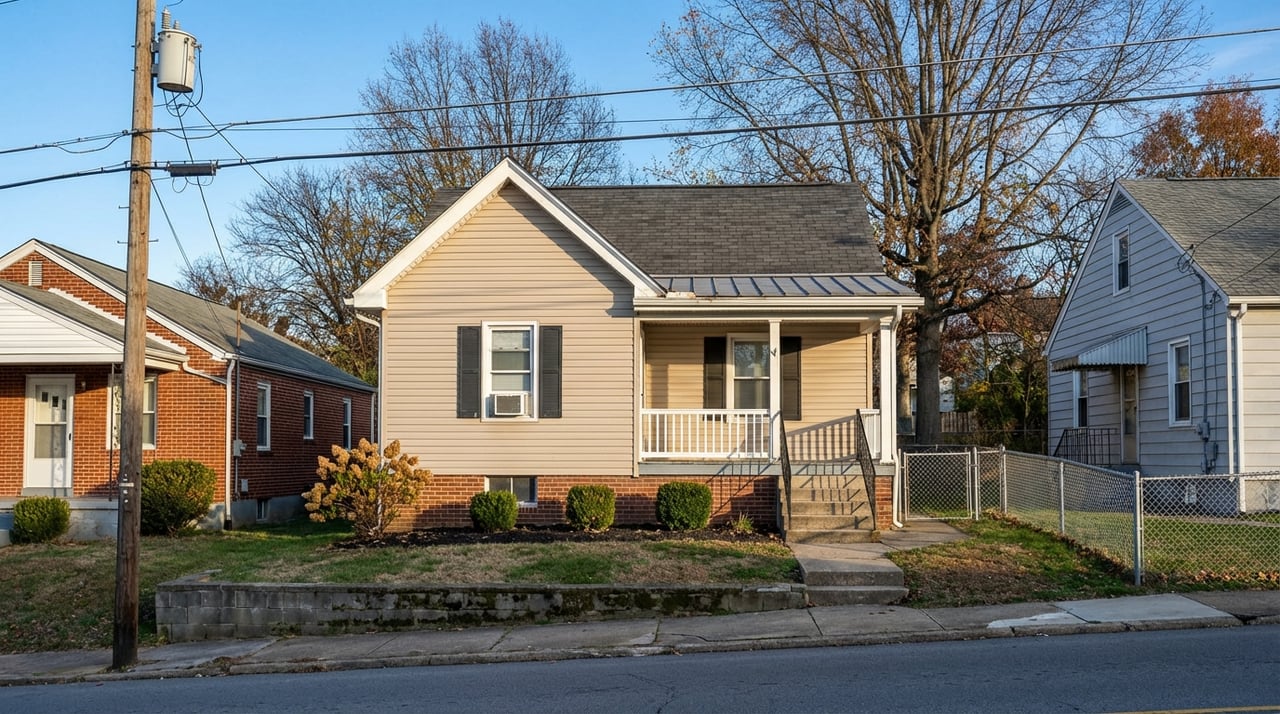
In Penn Hills, you will find a lot of classic, mid-century single-family homes and some duplexes. Many streets have modest lots, porches, and practical layouts that work well for first homes. Some properties may need cosmetic updates, which can be a chance to build equity if you plan to improve the home over time.
In Monroeville, you will also find plenty of single-family homes plus townhomes or condos near key roads. Inventory near the US‑22 and I‑376 corridors often commands higher prices, reflecting convenience to shopping and major routes. Condition varies, but you may see more move-in ready options in the mid-price band.
Property taxes in plain English
Allegheny County, your municipality, and your school district each levy a real estate tax. County millage increased in 2025 for the first time in many years, which affects both areas. You can confirm current rates on the Allegheny County Treasurer’s millage tables and general real estate tax page. Monroeville’s current municipal millage and deadlines are posted on the Monroeville Tax Office page.
Here is a simple example for a $150,000 assessed value home:
- Formula: tax = (assessed value / 1,000) × total mills.
- Penn Hills total mills example: county 6.43 + municipal 6.944 + school ~31.5965 ≈ 44.97 mills. That equals about $6,746 per year before exemptions.
- Monroeville total mills example: county 6.43 + municipal 5.5 + school ~25.2718 ≈ 37.20 mills. That equals about $5,580 per year before exemptions.
If you will live in the home, file for the county’s Homestead/Farmstead exclusion. It reduces the first $18,000 of assessed value for the county portion only and typically saves around $116 per year at current county rates. Learn how to apply on the county’s Homestead/Farmstead Exclusion page. Always check parcel-specific millages and whether exemptions already apply before you set your monthly budget.
Commute and transit options
Census estimates show average one-way commutes of roughly 27.7 minutes in Penn Hills and about 26.1 minutes in Monroeville. Your actual time will depend on where you work and when you travel. If you prefer transit to downtown, both communities have peak-direction express routes and Park-and-Ride options.
- Monroeville has flyer service like the P67 route and Park-and-Ride sites near the mall and plaza. See a sample route map on Moovit’s P67 overview.
- Penn Hills has services that connect to the East Busway during peak hours. Schedules change, so check current Pittsburgh Regional Transit timetables before you plan your commute.
By car, Monroeville sits on a major interchange for US‑22 and I‑376 and is close to the Turnpike, which is convenient but can be busy at rush hour. Penn Hills is closer to the city line with several arterial routes into Pittsburgh.
Amenities and daily convenience
Monroeville is the eastern retail and services hub, anchored by the Monroeville Mall corridor, with large shopping centers and restaurants. Get a sense of the area’s retail history and footprint on the Monroeville Mall page. Monroeville also hosts UPMC East, a major hospital and medical campus, plus related medical and office employers nearby.
Penn Hills offers a more residential feel with neighborhood parks and local recreation. The private Longue Vue Club is a historic golf venue near the community. You are also close to county park assets like Boyce Park for trails, winter tubing and skiing, and seasonal pools.
Schools and what to research
School performance is an important factor for many buyers and can influence long-term demand. Aggregated ranking sites often show different performance indicators for Penn Hills School District compared with Gateway School District in Monroeville. Review district-level profiles and metrics on resources like SchoolDigger’s Penn Hills district page and the Pennsylvania Department of Education, then visit schools and speak with district offices to assess fit.
Use neutral, factual criteria as you compare: graduation rates, test score trends, course offerings, extracurriculars, transportation, and student support services. Always verify the assigned school district for any property and confirm policies directly with the district.
Buyer checklist to make the call
- Define your nonnegotiables: monthly budget, acceptable commute time, school priorities, and proximity to retail, parks, or medical care.
- Compare starter ranges: Penn Hills often offers more lower-priced, older stock; Monroeville often offers more mid-price, move-in ready options.
- Run tax numbers: pull municipal and school millages, then compute your annual estimate using the county and local rates. Use the county millage table and the Monroeville Tax Office for current figures.
- Check Act 50: confirm whether the Homestead/Farmstead exclusion already applies, and file if you will owner-occupy. Start with the county’s Act 50 guide.
- Test your commute: drive or ride at your normal times from candidate addresses to your workplace, then note the average.
- Save three comparables per area: collect recent, similar homes in your price band so you can compare condition and price per square foot across both markets.
Which area fits you best?
- If your top priority is a lower upfront purchase price, and you are open to light updates or renovation, start in Penn Hills. Expect lower listing medians and a larger share of older, affordable stock, with a higher total tax rate on average.
- If you want stronger retail convenience, a nearby hospital and medical employers, and more mid-range move-in ready options, start in Monroeville. Expect higher list prices and a lower combined municipal and school millage than Penn Hills.
- In both cases, verify parcel-level taxes, school assignments, and your commute. That turns broad comparisons into a decision that fits your exact situation.
Ready to compare live listings, taxes, and commute tests side by side for your budget? Schedule a free market consultation with Vanessa Doss to build a first-home plan that fits your timeline and goals.
FAQs
How do first-time buyer prices compare in Penn Hills vs. Monroeville?
- Penn Hills often has starter homes about $100,000 to $230,000, while Monroeville’s typical starter range runs about $160,000 to $320,000, with many listings in the $200,000s.
How big is the property tax difference between the two areas?
- Using recent published rates, a $150,000 assessment estimates roughly $6,746 per year in Penn Hills and about $5,580 in Monroeville before exemptions; confirm parcel-specific millages and apply for the Act 50 homestead if eligible.
Are there express buses to downtown Pittsburgh from these suburbs?
- Yes; both areas have peak-direction flyer routes and Park-and-Ride options, including the P67 serving Monroeville and routes that connect Penn Hills to the East Busway; check current schedules before commuting.
What school resources should I use to compare districts?
- Review neutral, published indicators on resources like SchoolDigger and the Pennsylvania Department of Education, then visit schools and contact districts directly to confirm programs and policies.
What amenities stand out in Monroeville and Penn Hills?
- Monroeville is a major retail and medical hub anchored by Monroeville Mall and UPMC East; Penn Hills offers a more residential setting with neighborhood parks and the historic Longue Vue Club.
How should I build a monthly budget that includes taxes?
- Use the millage formula with county, municipal, and school rates, add the result to principal, interest, insurance, and utilities, then factor in the Act 50 homestead savings if you will occupy the home.